As a healthcare leader who has spent most of my career in rural and underserved communities, I have seen firsthand how much our environment influences our health. One of the most powerful yet overlooked factors is food. We often think of prescriptions as pills, procedures, or referrals, but nutrition can be just as important. In some cases, it is even more impactful. When we talk about preventive care and long term wellbeing, food truly becomes medicine.
For years, I watched patients struggle with chronic conditions that were worsened by poor access to fresh and healthy foods. I also saw how overwhelming it felt for many families to make lifestyle changes without support. Over time, it became clear that if we want to help people stay healthy, we have to go beyond traditional healthcare. We must empower individuals with the knowledge, resources, and confidence to use nutrition as a tool for healing.
Why Food Belongs in the Exam Room
Many chronic diseases that we see every day are linked to diet. Diabetes, high blood pressure, heart disease, and even some mental health concerns have strong connections to what we eat. Yet nutrition often receives only a few minutes of discussion during a primary care visit. Patients walk out with prescriptions for medications, but not always with a plan for nutritional improvement.
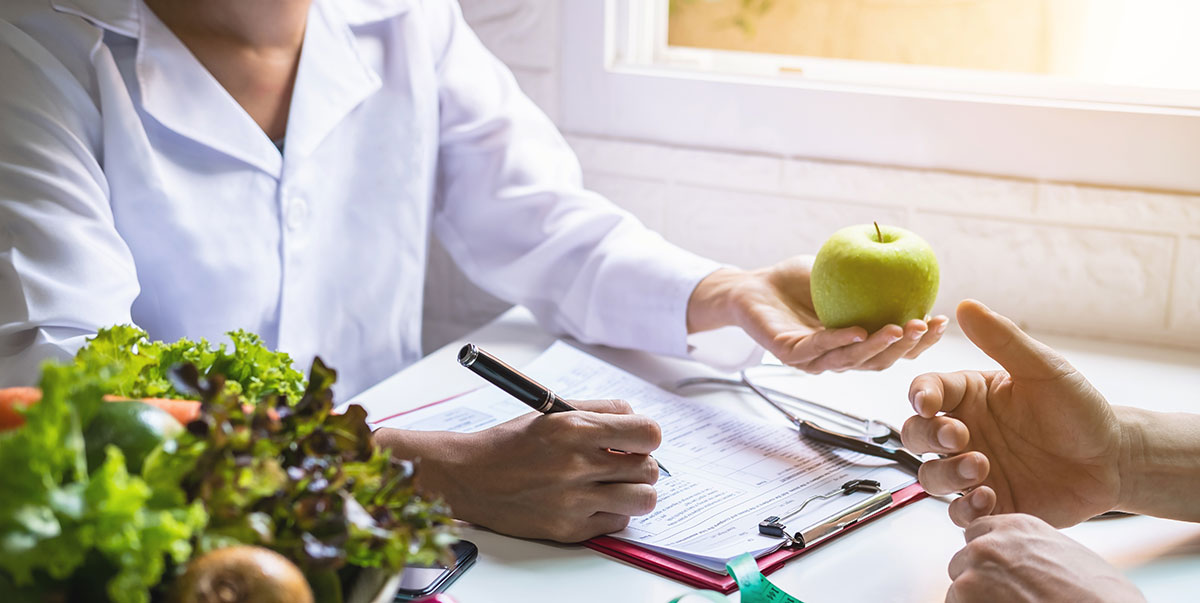
This gap creates missed opportunities. When we help patients understand how food affects their health, we give them a powerful way to take control of their futures. Food as medicine brings nutrition into the exam room in a structured and meaningful way. It allows providers to treat diet not as an afterthought but as part of a patient’s care plan.
In my experience, when patients feel supported rather than judged, they are far more likely to make changes that last. That support often begins with something as simple as a conversation about what they eat, what resources they have, and what small steps can move them forward.
Prescribing Nutrition Instead of Only Medication
One of the most encouraging shifts in modern healthcare is the rise of nutrition prescriptions. These are not hypothetical ideas. They are real programs that allow providers to give patients vouchers for fresh produce, access to nutrition coaching, and opportunities to participate in cooking classes or food box programs.
Imagine treating hypertension not only with medication, but with a weekly supply of fresh fruits and vegetables that a patient might otherwise not be able to afford. Imagine supporting a diabetic patient not just with insulin adjustments but with food education tailored to their culture, preferences, and household needs. These simple interventions can reduce complications, lower costs, and improve quality of life.
In rural communities, where access and affordability are constant barriers, these programs can be life changing. We cannot expect people to improve their diets if healthy food is financially or geographically out of reach. Food as medicine bridges that gap by making nutrition a practical part of care, not just a suggestion.
Building Community Partnerships That Make Nutrition Accessible
No healthcare organization can do this work alone. Successful food as medicine programs require strong partnerships with farmers, food banks, local markets, and community organizations. In many parts of the country, I have seen incredible collaborations take shape. Farmers are providing local produce for medical food boxes. Schools are integrating nutrition education into family engagement nights. Food banks are shifting from canned goods to fresh options with support from healthcare funding.
Creating these connections brings an entire community into the mission of preventive care. When we combine medical knowledge with local resources, we build systems that support health at every level. This is especially important for families who are juggling transportation challenges, limited incomes, and busy schedules. The more accessible we make nutrition, the more we reduce the burden on parents and caregivers trying to keep their families healthy.
Educating Patients Through Practical and Supportive Approaches
Education plays a central role in making food as medicine work. But education needs to be realistic, supportive, and culturally respectful. Telling someone to overhaul their entire diet rarely leads to lasting change. Instead, we should focus on simple, achievable actions that fit a person’s lifestyle.
I have learned that patients respond better when we start with what they already know and build on it. Many rural families have traditions of home cooking and gardening. These are strengths, not barriers. When we help patients find healthier versions of foods they already love, the long term results are much better.
Sometimes, the most meaningful part of nutrition counseling is helping someone realize that healthy eating does not have to be expensive or complicated. Small adjustments, like reducing sugar in beverages or swapping fried foods for baked ones, can lead to major improvements in health over time.
A Future Where Nutrition Is a Core Part of Healthcare
Food as medicine is not a trend. It is a necessary shift toward a more holistic, preventive, and compassionate model of healthcare. If we want to improve population health, reduce chronic disease, and support families in underserved areas, we must treat nutrition as a fundamental part of care.
My hope is that more clinics, hospitals, and community health centers embrace this approach. When we make healthy food more accessible and provide patients with the tools to use it wisely, we build stronger, healthier communities. Food truly has the power to heal, and it is time for healthcare to fully recognize that power and put it to work.